

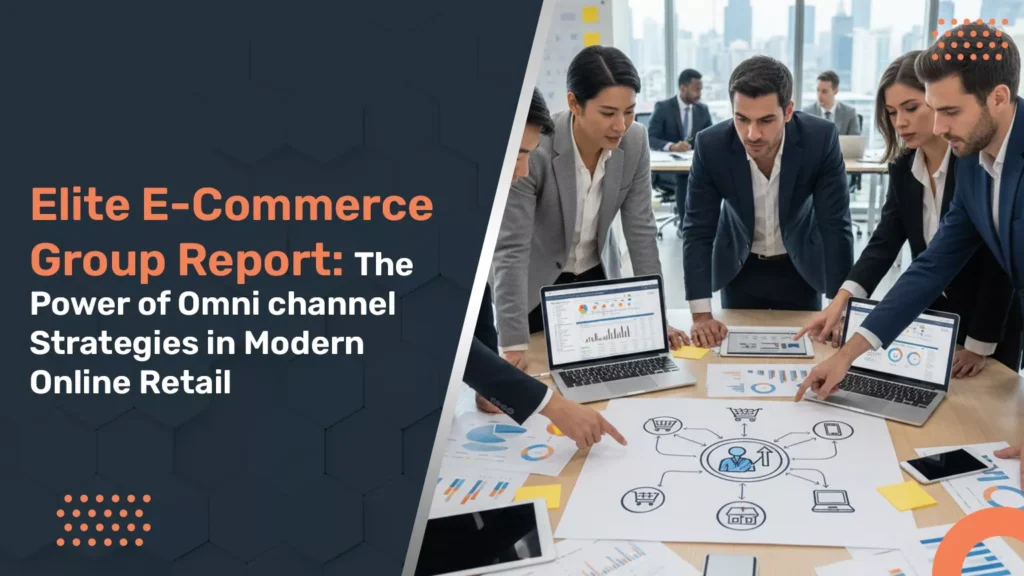
In the early days of online selling, the question was simple: “What channels should I sell on?” Fast forward to 2025, and that question has morphed into something a little trickier: “How do I make those channels work together?”
At Elite E-Commerce Group, we have seen this evolution coming first-hand through hundreds of different businesses. Today, digital retail success is not about how many channels you sell on, but how gracefully those channels work together.
This is where Omni channel e-commerce comes into play – bringing disconnected systems and touch points together to generate a more unified customer experience and, ultimately, propelling growth, loyalty, and efficiency. touchpoints

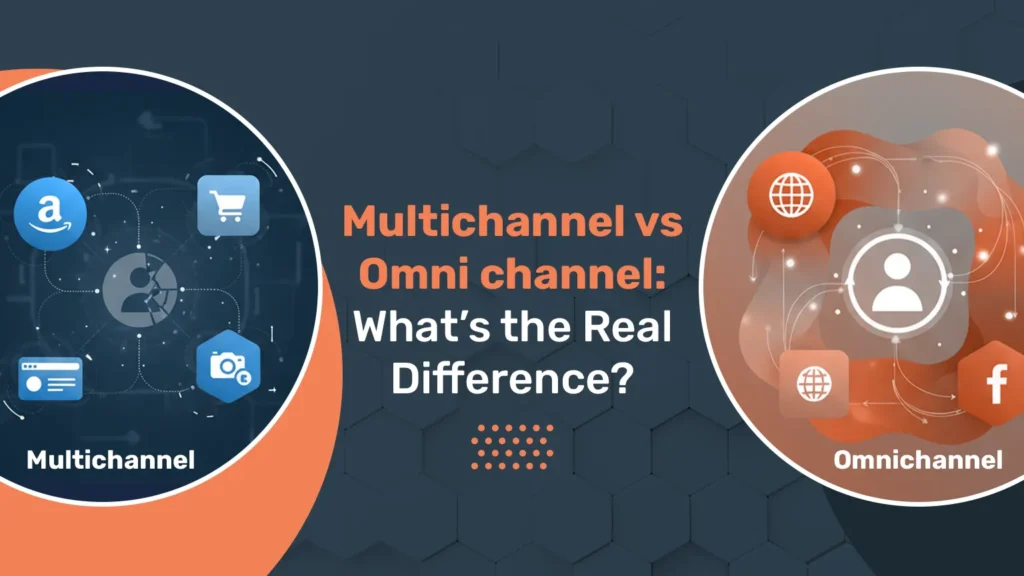
Multichannel vs Omni channel: What’s the Real Difference?
Let’s see if we can clarify something.
Multichannel refers to selling across multiple touch points – maybe your website, Amazon, eBay or social accounts.
Omni channel on the other hand means that all of those touch points seamlessly function together.
So, why does that matter?
Because over 80% of shoppers use multiple channels before making a purchase, they want that experience to feel consistent from the beginning to the end of their journey. It should feel connected from a social ad to an email newsletter, to a checkout page, to a post purchase confirmation. However, many businesses still operate in silos. Their e-commerce website development and marketing platforms don’t share data, which leads to missed opportunities for personalisation, retargeting, and sales optimisation.
An Omni channel e-commerce marketing strategy breaks these barriers by unifying data and communication across platforms, whether it’s Shopify SEO, social media campaigns, or email automation.

Why Omni channel Improves the Customer Experience
Imagine a shopper browsing your Instagram store, adding an item to the cart on your website, and then completing the purchase via a pop-up shop. With a multichannel setup, that journey can feel fragmented. But with an Omni channel system, it’s smooth, personalised, and consistent.
At Elite E-Commerce Group, our research indicates that omnichannel marketing can increase customer retention by up to 30% compared to standard multichannel campaigns. That’s because shoppers feel recognised – not just targeted.
A robust e-commerce website development plan that integrates mobile, social, and offline touch points creates this kind of seamless experience. It allows your systems to track behaviour, sync stock availability, and communicate effectively across every channel.

Revenue Hotspots: Where Are Brands Really Earning in 2025?
In 2025, most e-commerce operators report generating much of their revenue through marketplaces like Amazon, Etsy, and Walmart. However, these are “rented” spaces = you don’t own the customer relationship or data.
That’s why Elite E-Commerce Group encourages brands to use marketplaces as acquisition channels but focus on their direct-to-consumer (DTC) platforms for retention and profitability. When your Shopify store design, Shopify store management, and marketing systems all integrate, you build a self-sustaining ecosystem – one that doesn’t depend on unpredictable third-party algorithms.
By combining strong e-commerce SEO services and intelligent Shopify marketing tools, you can direct traffic from marketplaces back to your website and nurture customers through loyalty programmes, email marketing, and targeted advertising.

How Technology and Data Drive Omni channel Success
Technology is central to the Omni channel revolution. Most of the winning brands leverage Shopify expert services and app capabilities to create seamless experiences on devices and channels. However, the challenge is not simply collecting various tools – it is connecting them.
For example, your Shopify SEO strategy should align well with your email campaigns, social media analytics and paid ads. Without such collusion, and if your systems operate independently, you’ll miss out on important data that could be utilised in optimising your e-commerce conversions.
Here’s a quick Elite E-Commerce Group checklist to ensure your technology stack is working for you – not against you:
- Audit your tools: List every app and integration, identifying where data stops syncing.
- Choose a central hub: Use a CRM or Shopify dashboard to connect customer and order data.
- Automate smartly: Let your Shopify marketing tools trigger emails, restocks, and upsells automatically.
- Track ROI: Measure saved time, reduced costs, and improved sales flow.
Omni channel excellence isn’t about having the most tools; it’s about having the right ones that work together seamlessly.

Why Customer Data Is the Core of Omni channel E-commerce
Your customers’ data tells you everything – what they like, how they shop, and what will make them buy again. When used responsibly, this data is the foundation of a strong e-commerce marketing strategy. It empowers you to create tailored offers, run personalised email sequences, and provide targeted ads that enhance satisfaction and conversion rates.
For example, through Shopify expert services, your brand can automatically retarget users who abandoned their carts or recommend new products based on purchase history. These small, data-driven interactions can significantly improve e-commerce conversion optimisation.
At Elite E-Commerce Group, we help brands transform their customer data into meaningful action, turning browsers into buyers and buyers into brand advocates.

Lessons from Real E-commerce Operators
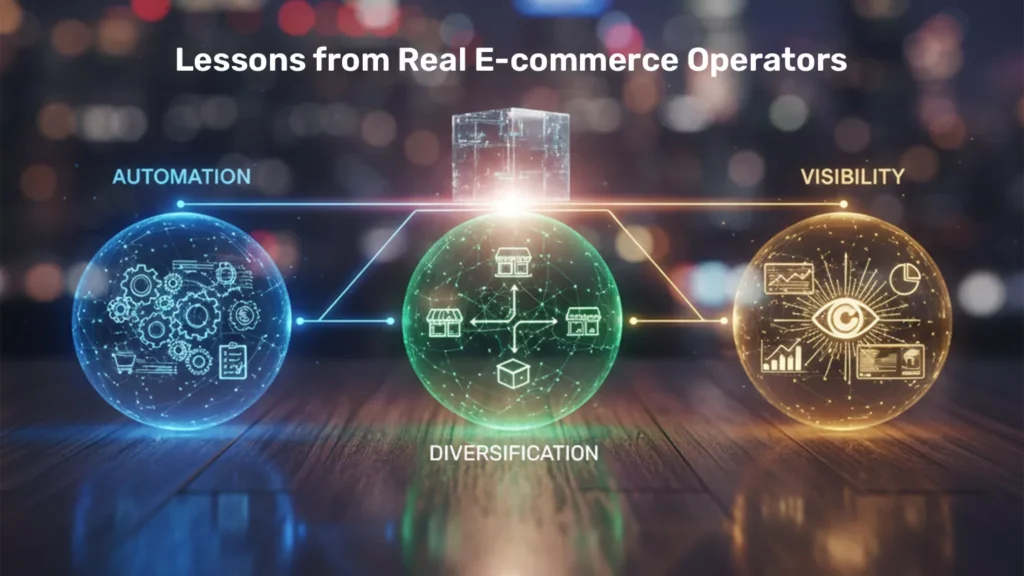
The most successful brands share three key traits in their Omni channel operations:
- Automation – They rely on automated workflows to synchronise stock, pricing, and order data.
- Diversification – They balance marketplaces, retail, and DTC to reduce risk.
- Visibility – They ensure their analytics and reporting provide one clear, connected view.
Without automation, managing multiple sales channels can quickly become overwhelming. With it, brands not only save time but also protect themselves against errors like overselling or pricing inconsistencies.
In 2025, automation and clean data aren’t luxuries – they’re the pillars of long-term stability in online retail.

The Future of Omni channel: Integration over Expansion
Looking ahead, the smartest e-commerce brands aren’t rushing to add new channels – they’re refining the ones that matter.
At Elite E-Commerce Group, we see a strong trend toward integration and optimisation rather than endless expansion.
Brands are putting more effort into their Shopify store design, Shopify SEO, and owned properties because they know this is true equity. Marketplaces create awareness, but your website builds loyalty.
An effective Omni channel strategy uses marketplaces to create reach and your DTC site to create retention. That’s how sustainable e-commerce businesses are growing in 2025 – not by selling everywhere, but by making every sell count.
Final Thoughts
Omni channel is not merely a marketing term – it’s a paradigm shift in how you conduct modern e-commerce. It emphasises creating a coherent, data-enabled ecosystem that turns every touch point into a shared experience for your customers.
At Elite E-Commerce Group, we believe the future of online retail is all about integration, personalisation and ownership of the customer. Whether you’re optimising your Shopify store management, working on improving your e-commerce SEO services, or creating a new e-commerce website, the goal is the same: make every channel work together — not against each other.
Because in the end, success doesn’t come from selling everywhere.
It comes from selling smartly, strategically, and seamlessly.